
Freediving in Nusa Lembongan
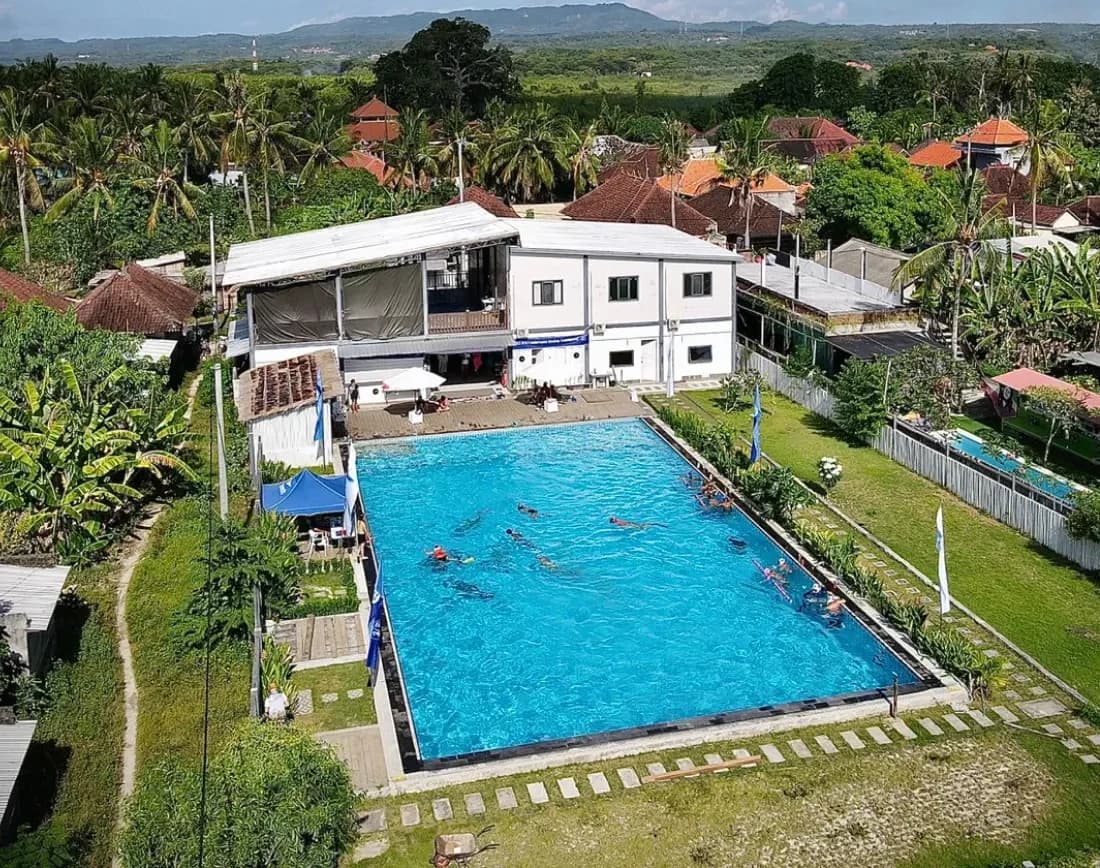
Freediving is diving on a single breath, without a tank. We use our own 2.4 m deep pool to build the comfort and technique that make it enjoyable, before taking it out to open water. Sessions are supervised throughout by a trained buddy.
4.9 from 423 Google reviews
- Where
- Our 25 x 15 m, 2.4 m training pool, then the ocean
- Prerequisite
- Comfortable and confident in water
- Certification
- Ask us about current certification options
Why freediving starts in the pool
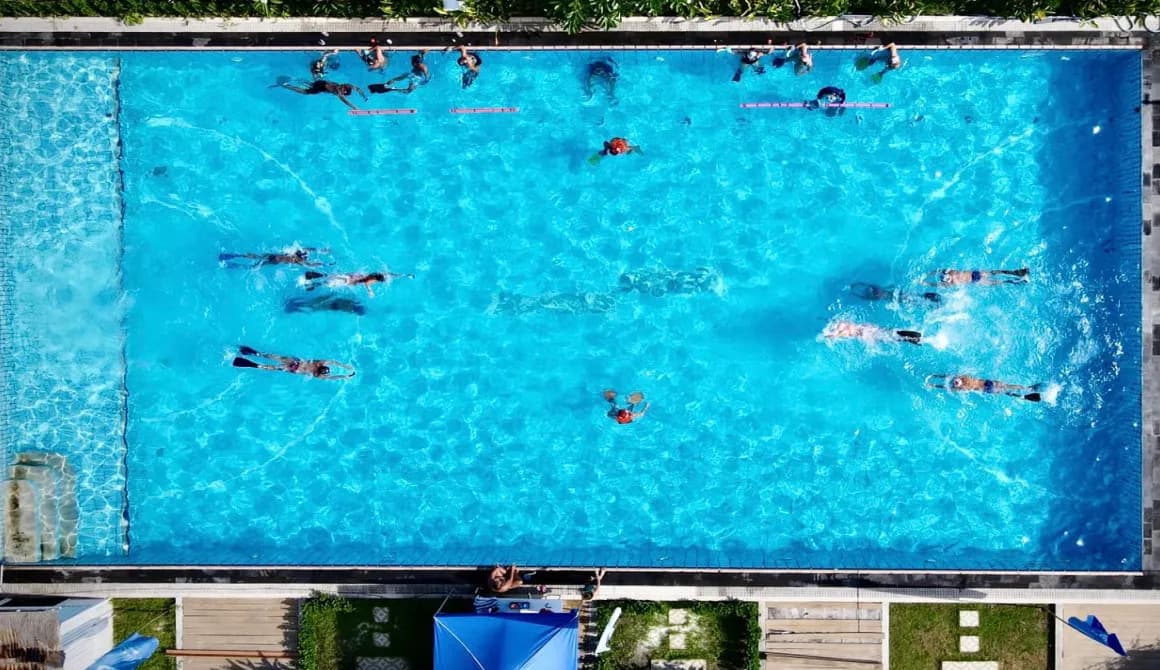
Our 25 x 15 m, 2.4 m pool gives you a controlled, shallow space to build breath-hold comfort before you take it into open water. Everything is supervised, and no session ever has you holding your breath alone.
The pool also removes variables that make open water harder to learn in: no current, no boat traffic, no waves at the surface. That lets a session focus entirely on your breathing, your relaxation and your technique, which is where freediving actually starts.
Static and dynamic training
Static apnea is holding your breath while floating still, usually face down at the surface, with a trained buddy watching closely the entire time. Dynamic apnea is covering distance underwater on a single breath, which is more about relaxed, efficient technique than raw lung capacity.
Both are trained the same way at first: short, comfortable holds, building gradually, never pushing to the point of struggle. The goal early on is not how long you can hold your breath, it is how calm you can stay while doing it, since tension burns oxygen far faster than a relaxed body does.
Breathing and relaxation before you ever hold your breath
A good amount of freediving training happens before you hold your breath at all. Slow, controlled breathing patterns, stretching to loosen the chest and diaphragm, and simply learning to notice tension in your body are all part of getting a session started, since a tense freediver rarely gets far no matter how fit they are.
Taking it into the ocean
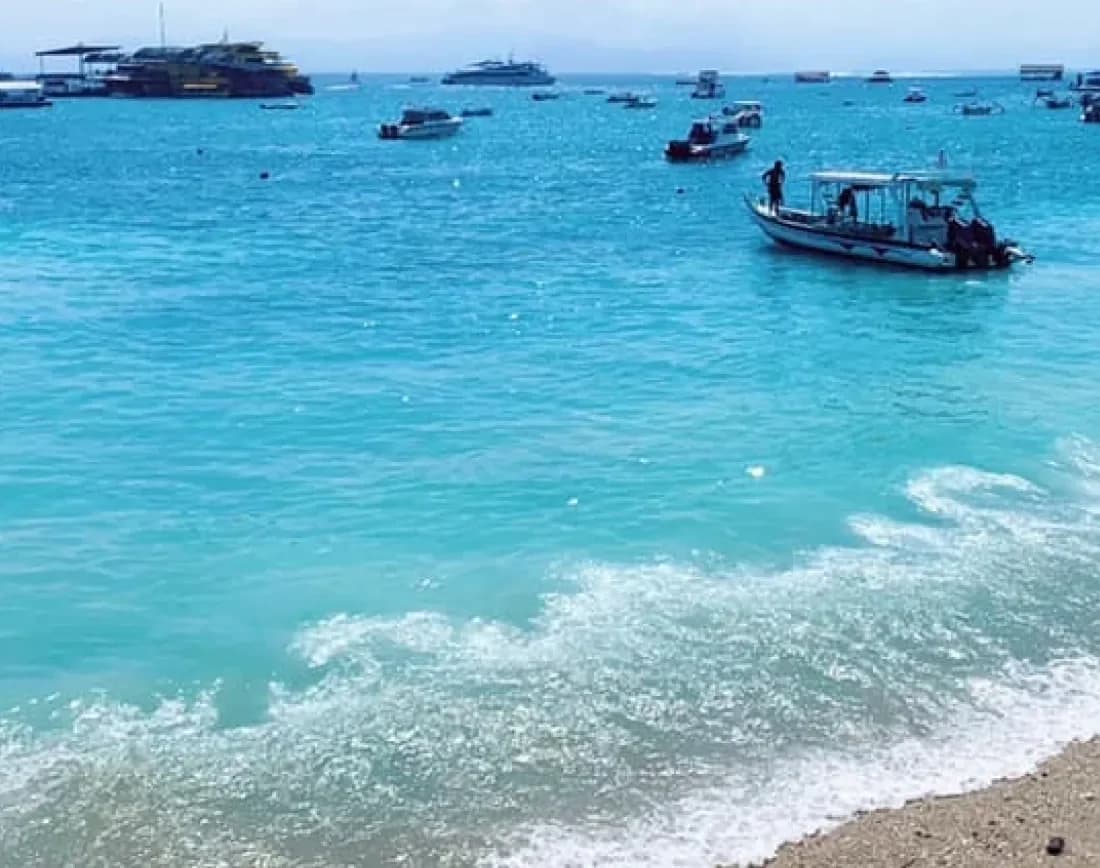
Once the basics feel comfortable in the pool, sessions move out to calmer sites in the ocean, using a line and buoy, and with the same close buddy supervision. Boat traffic and awareness of your surroundings become part of the training at this stage, not just breath-hold technique.
Open water also introduces equalisation over greater depth, and the slightly disorienting effect of losing the pool's clear reference lines on the floor and walls, both of which take a session or two to adjust to even for divers who found the pool easy.
Freediving compared to scuba
Without a tank on your back or bubbles trailing behind you, freediving often lets you get closer to skittish marine life than scuba diving does, and it demands a different kind of calm: relaxation and efficient equalisation matter more than physical fitness alone.
It is also a genuinely different feeling in the water. Where scuba diving lets you settle in and stay down for an extended period, freediving is a series of short, focused descents, which suits some divers more than others and is worth trying even if you already scuba dive regularly.
Booking a session
Contact us to talk through what you are hoping to get out of freediving and we will put together a session to suit. It pairs naturally with a day off from scuba diving, or with underwater hockey if you want more pool time on the same trip.
Questions
Do I need scuba experience to try freediving?
No, freediving and scuba diving are separate skills. Many freedivers have never used scuba equipment at all.
Is freediving dangerous?
Like any water sport it carries risk, which is why every session is supervised by a trained buddy who watches you closely and never lets you hold your breath alone.
What is static and dynamic apnea?
Static apnea is holding your breath while floating still, usually at the surface. Dynamic apnea is covering distance underwater on a single breath. Both are core freediving disciplines.
Can I freedive and scuba dive on the same trip?
Yes, many people alternate between the two, though we recommend spacing them out with a surface interval in between for safety.
How deep can I freedive?
Depth depends entirely on your training and comfort level. Sessions start shallow in our 2.4 m pool and progress gradually from there.
Do you offer freediving certification courses?
Ask us about current options when you contact us, as our freediving programme is still developing.
Book Freediving
Tell us your dates and experience. We will confirm the schedule, your instructor and everything you need to bring.