
Fun Diving Around Nusa Lembongan and Nusa Penida
Once you are certified, fun diving is just diving: no lessons, no scenarios, just a guide who knows the sites and a boat that gets you there. We run half-day 2-dive trips and full-day 3-dive trips, in groups of up to 4 divers per guide.
4.9 from 423 Google reviews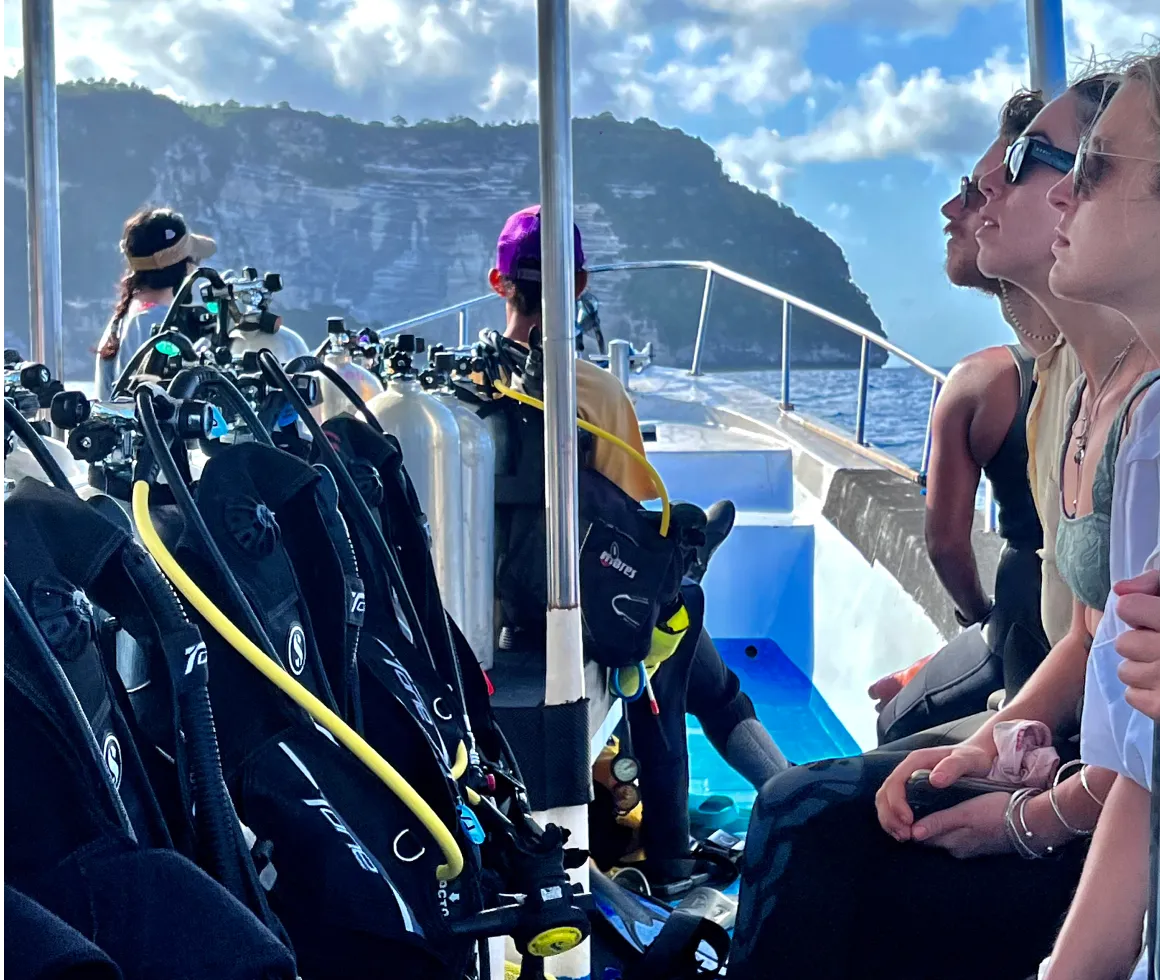
| J | F | M | A | M | J | J | A | S | O | N | D | |
|---|---|---|---|---|---|---|---|---|---|---|---|---|
| Manta rays | January: Best months | February: Best months | March: Best months | April: Best months | May: Best months | June: Best months | July: Best months | August: Best months | September: Best months | October: Best months | November: Best months | December: Best months |
| Mola mola | January: Rare | February: Rare | March: Rare | April: Rare | May: Rare | June: Possible | July: Good chance | August: Best months | September: Best months | October: Good chance | November: Possible | December: Rare |
Wildlife is never guaranteed. The mola season shifts a little each year with the cold water.
- From
- IDR 700,000
- Duration
- Half day (2 dives) or full day (3 dives)
- Ocean dives
- 2 or 3, or a single afternoon dive
- Max depth
- Within your certification limit
- Prerequisite
- Any recognised diving certification
- Group size
- 1 guide to up to 4 divers
- Certification
- None issued, this is diving, not a course
A typical day of fun diving
You meet at the centre to sort out gear and go through a quick briefing with your guide, before a short walk or transfer down to Jungut Batu harbour. From there it is a few minutes to half an hour by boat, depending on the site, aboard one of our two 15-seat speedboats with Yamaha F150 engines.
Between dives you get a proper surface interval back on the boat, with drinking water, coffee, tea, snacks and fruit, and lunch if you are out for the full day. It is a genuine break, not just a quick turnaround before getting back in the water.
On the boat
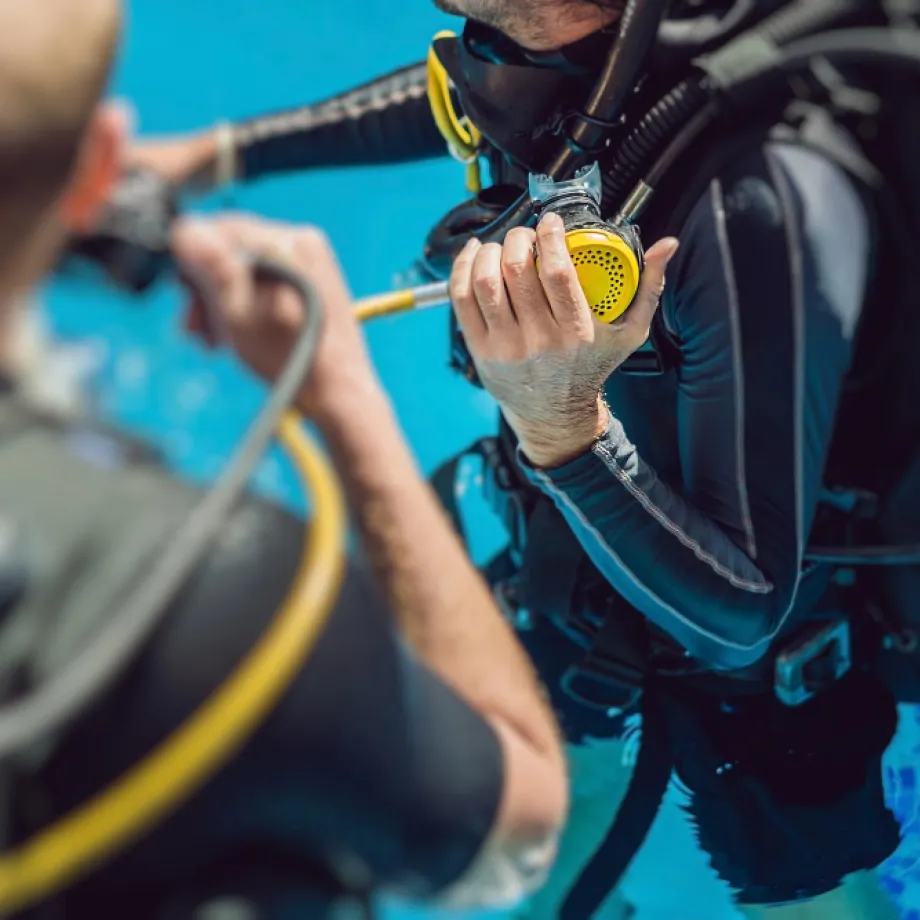
Your guide runs through the site, the planned depth and route, entry and exit points, and does a buddy check before anyone gears up. Groups stay small, at most 4 divers to 1 guide, and every boat carries life jackets, a first aid kit, emergency oxygen and a marine radio as standard.
If you are diving with people you have not met before, the small group size means you are not lost in a crowd, and your guide has a realistic chance of actually noticing if something changes for you underwater.
Entries and exits vary by site and boat, sometimes a giant stride off the back, sometimes a backward roll, and your guide explains exactly what to expect before you gear up rather than assuming you already know.
Choosing sites for your level
Sites vary a lot in current and depth, from calmer options suited to any certified diver through to drift sites that reward more experience. Our guides pick sites to match the group's certification and comfort level on the day. See each dive site page for specific depth and current information before you book.
Manta Point and Manta Bay are the two spots most people ask for by name, and Crystal Bay is the one to watch for mola mola season. If you are newly certified and unsure what suits you, tell your guide when you book and they will steer you toward the right sites rather than the most requested ones.
Seasons and what you might see
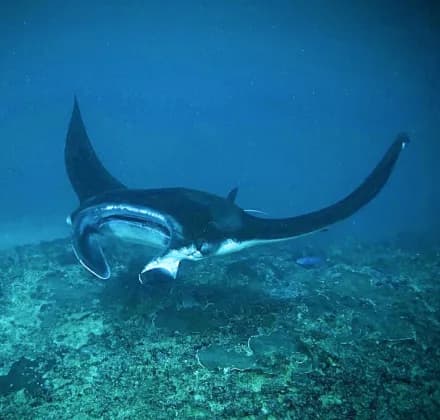
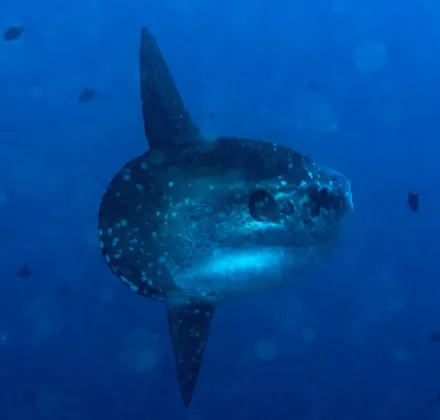
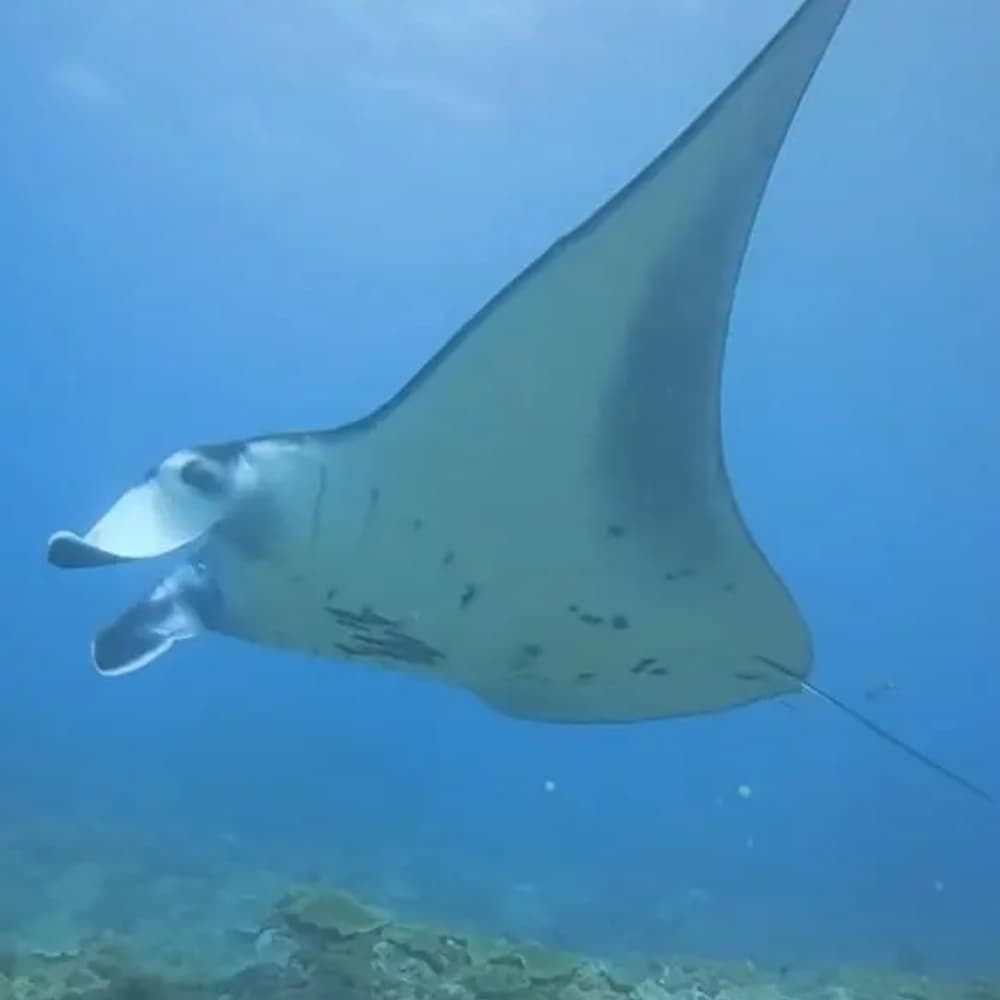
Manta rays are seen year round at Manta Point and Manta Bay. Mola mola season generally runs from June to October, with sightings said to build through July, August and September as cold water rises from the deep.
Surface water usually sits between 26 and 29 degrees Celsius most of the year. Between roughly June and October, a cold upwelling can drop the temperature at depth to somewhere in the high teens or low twenties, which is part of what draws mola mola into diveable range. A 5 mm wetsuit, or a shorty with a hooded vest, is worth having during those months.
Outside of mola mola season, the water stays noticeably warmer and a 3 mm wetsuit or even a rash vest is usually enough for most divers, though this comes down to personal preference as much as the actual temperature.
If you want to dive further afield
Beyond the well-known names, sites like Toyapakeh, SD Point, Ped, Sental, Mangrove, Ceningan Wall, Malibu Point and Batu Abah round out the roughly 20 dive sites around Nusa Lembongan, Nusa Ceningan and Nusa Penida that we can get you to. Ask your guide which ones suit the conditions and your certification on the day you are diving.
If you are staying for several days, mixing well-known sites with some of the quieter ones is usually more interesting than repeating Manta Point every day, even manta sightings included.
Booking and what's included
Full equipment, your guide, boat transport and lunch on the boat are included in every fun diving package. See our full price list for every combination, or book online directly.
If it has been a while since your last dive, consider pairing your trip with a scuba refresher beforehand, and if you have not been diving in current conditions like these before, our safety and conditions guide is worth a read first.
How it runs
Meet at the centre
Collect your gear and meet your guide before heading down to the harbour.
Boat out
A short walk to Jungut Batu harbour, then a boat ride to your first site.
Dive one
A guided dive with a full briefing beforehand, followed by a surface interval.
Dive two (and three)
A second site, or a third if you have booked the full-day option.
Back at the centre
Equipment rinse and a chance to log your dives with your guide.
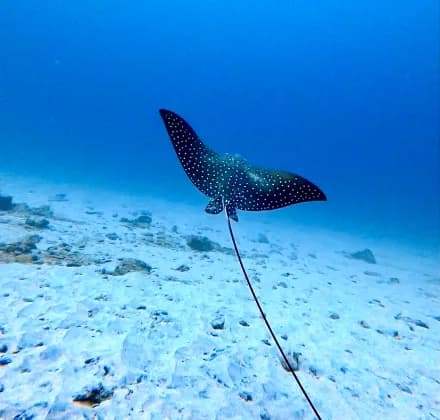
Sites we visit
The guide picks the site on the day from tide, current and the group's experience.
Nusa Penida
Manta Point
- Depth
- 5-20 m
- Current
- Gentle
- Level
- All levels
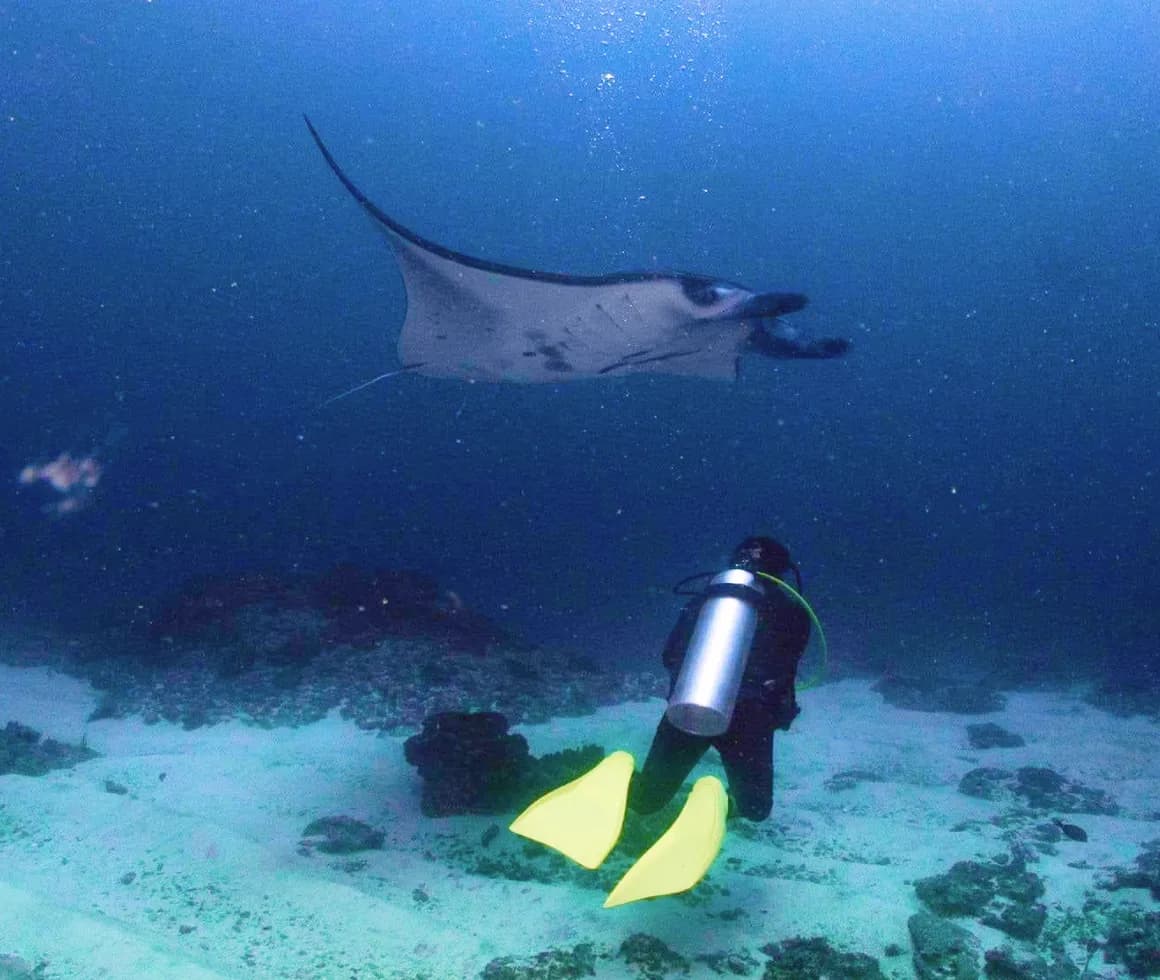
Nusa Penida
Manta Bay
- Depth
- 5-15 m
- Current
- Gentle
- Level
- Open Water
Nusa Penida
Crystal Bay
- Depth
- 5-30 m
- Current
- Variable
- Level
- Advanced
Nusa Lembongan
Blue Corner
- Depth
- 15-35 m
- Current
- Strong
- Level
- Advanced
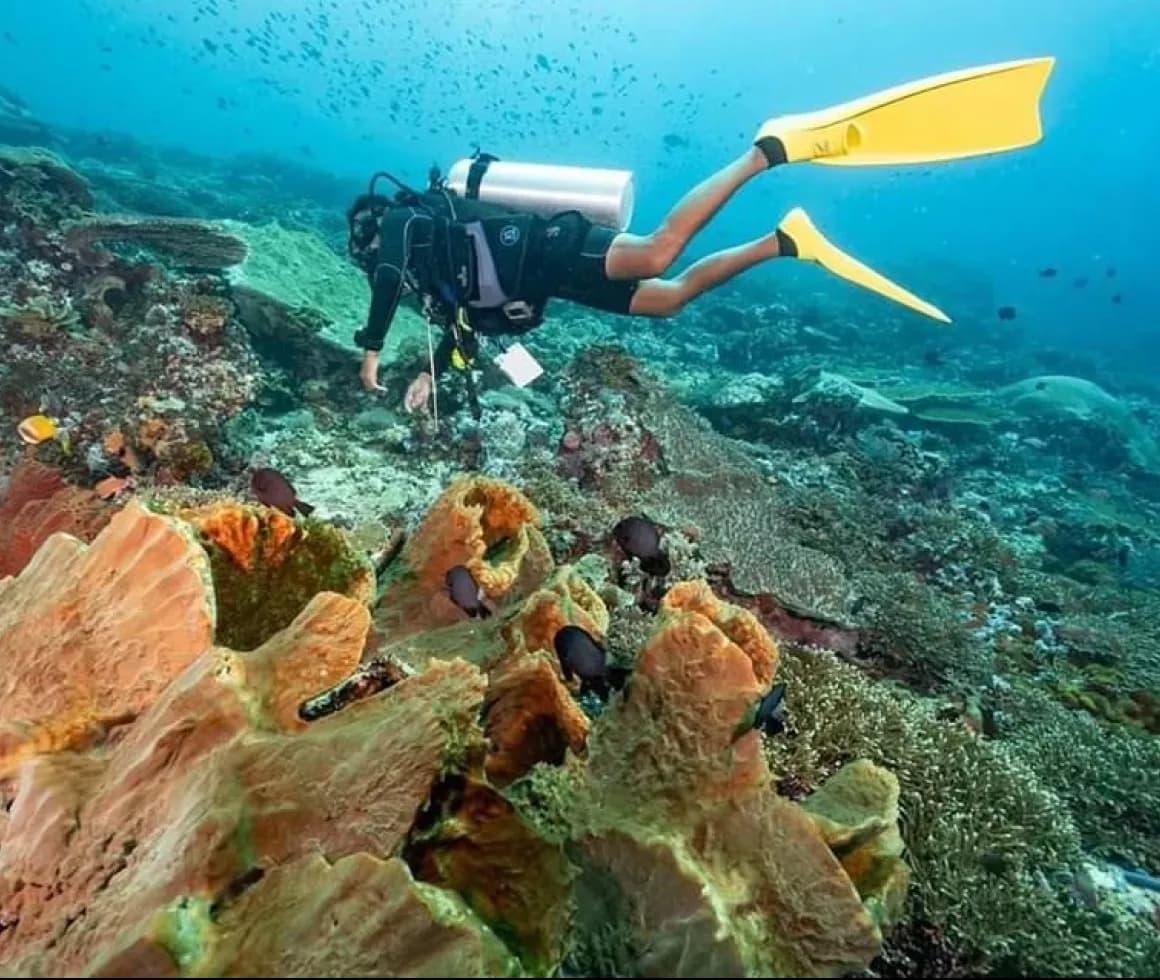
Nusa Penida
Toyapakeh
- Depth
- 8-30 m
- Current
- Variable
- Level
- Open Water
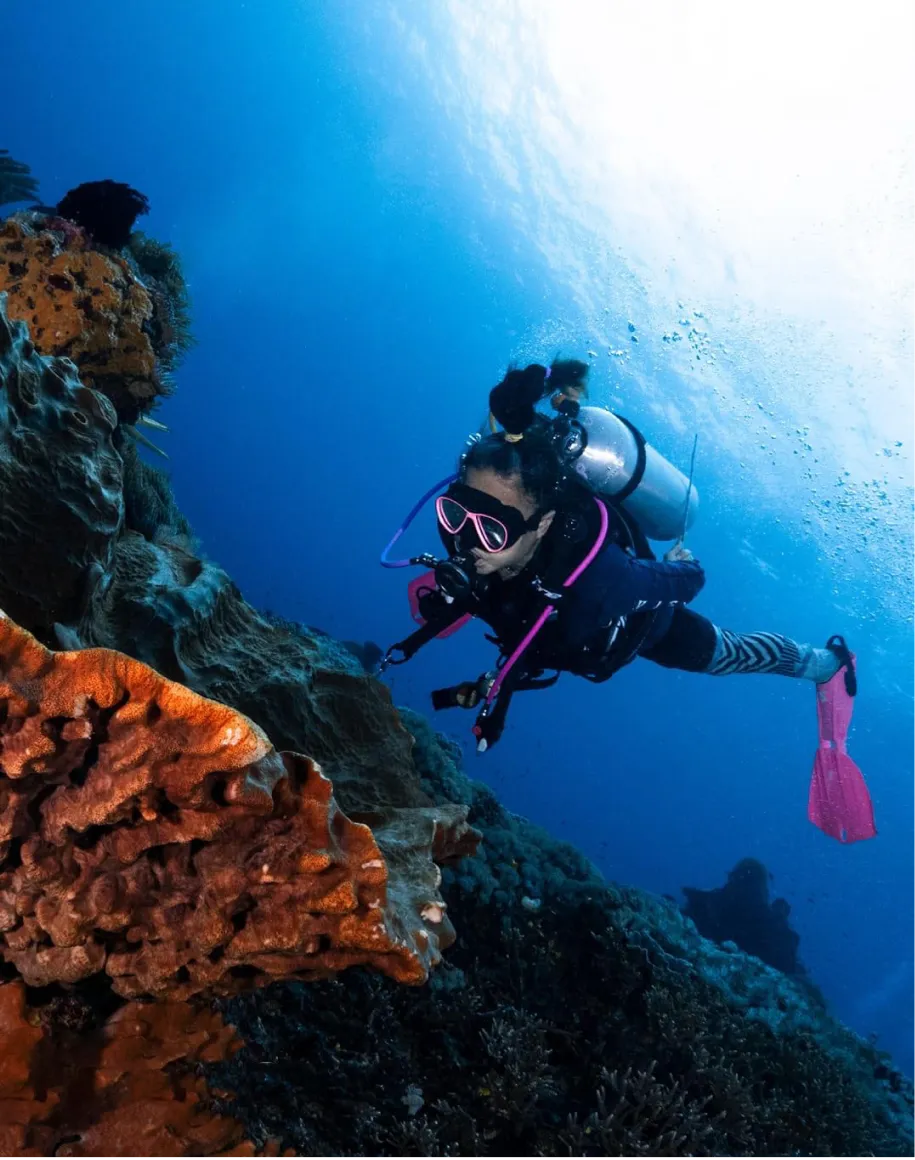
Nusa Penida
SD Point
- Depth
- 10-30 m
- Current
- Moderate
- Level
- Open Water
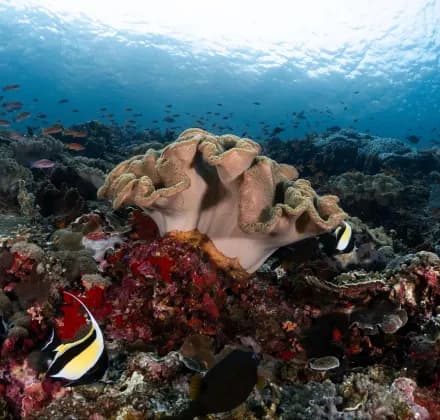
Nusa Penida
Ped
- Depth
- 5-30 m
- Current
- Moderate
- Level
- Open Water
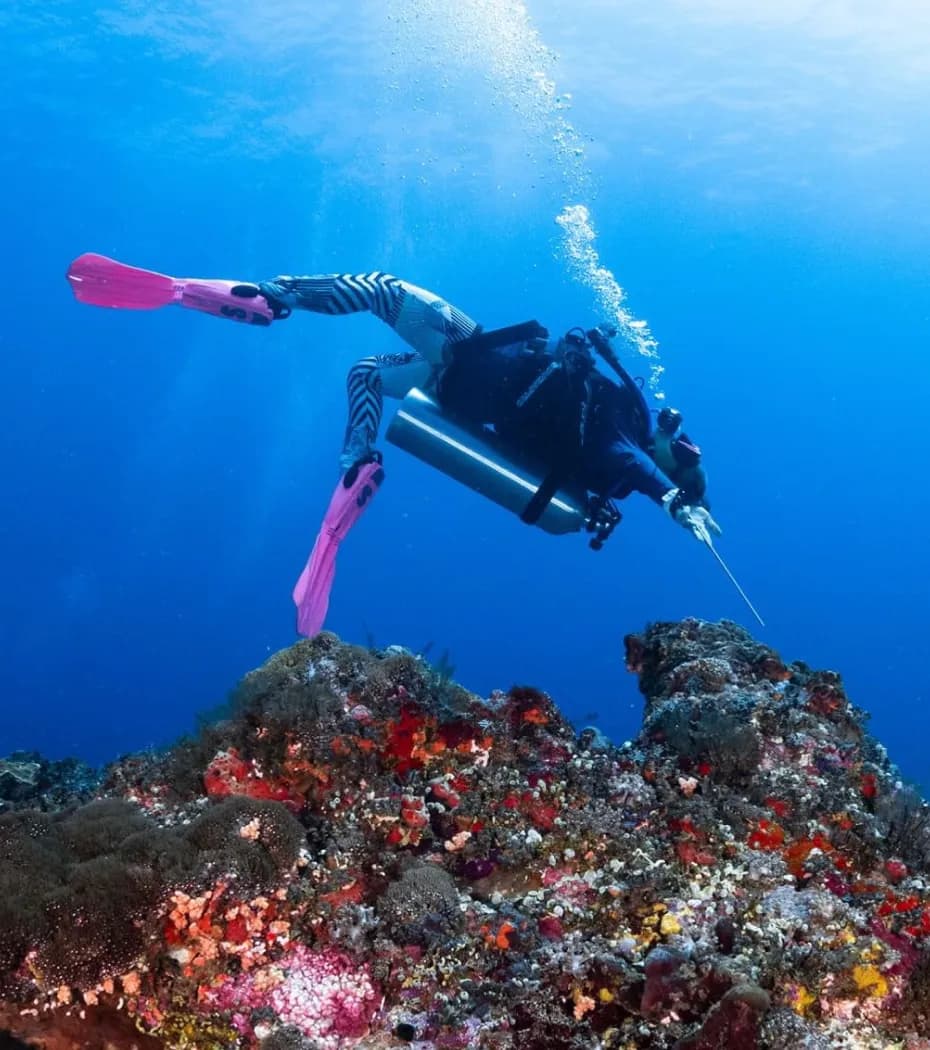
Nusa Penida
Sental
- Depth
- 7-30 m
- Current
- Moderate
- Level
- Open Water
Questions
How many dives can I do in a day?
Most divers do 2 dives on a half-day trip or 3 on a full day. A single afternoon dive is also available for 700,000 IDR.
What is the diver-to-guide ratio on fun dives?
1 guide to a maximum of 4 divers, which keeps the group small enough that your guide can actually keep an eye on everyone.
Do I need my own dive computer?
No, you can rent one from us for 150,000 IDR per day, or bring your own.
Is there a discount for diving several days in a row?
Yes, from your 7th dive with us the rate drops to 700,000 IDR per dive. Ask us about the details when you book.
What is the water like in Nusa Penida?
Surface temperatures usually run 26 to 29 degrees Celsius. Between June and October, a seasonal upwelling can drop the temperature at depth into the high teens or low twenties, which is when mola mola tend to show up.
When is manta ray season?
Manta rays are seen at Manta Point and Manta Bay throughout the year, not just in a particular season.
When is mola mola season?
Roughly June through October, with numbers generally building through July, August and September at Crystal Bay.
Book Fun Diving
Tell us your dates and experience. We will confirm the schedule, your instructor and everything you need to bring.