Why Crystal Bay has a reputation
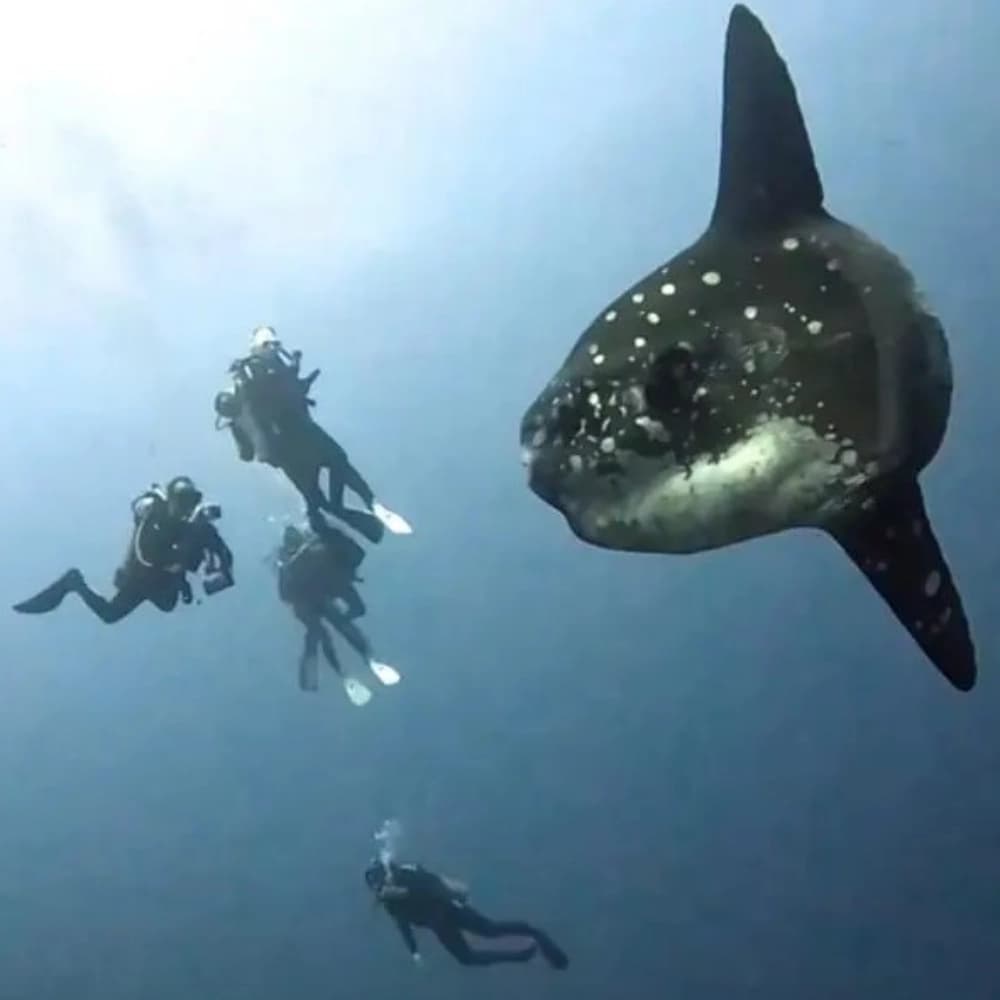
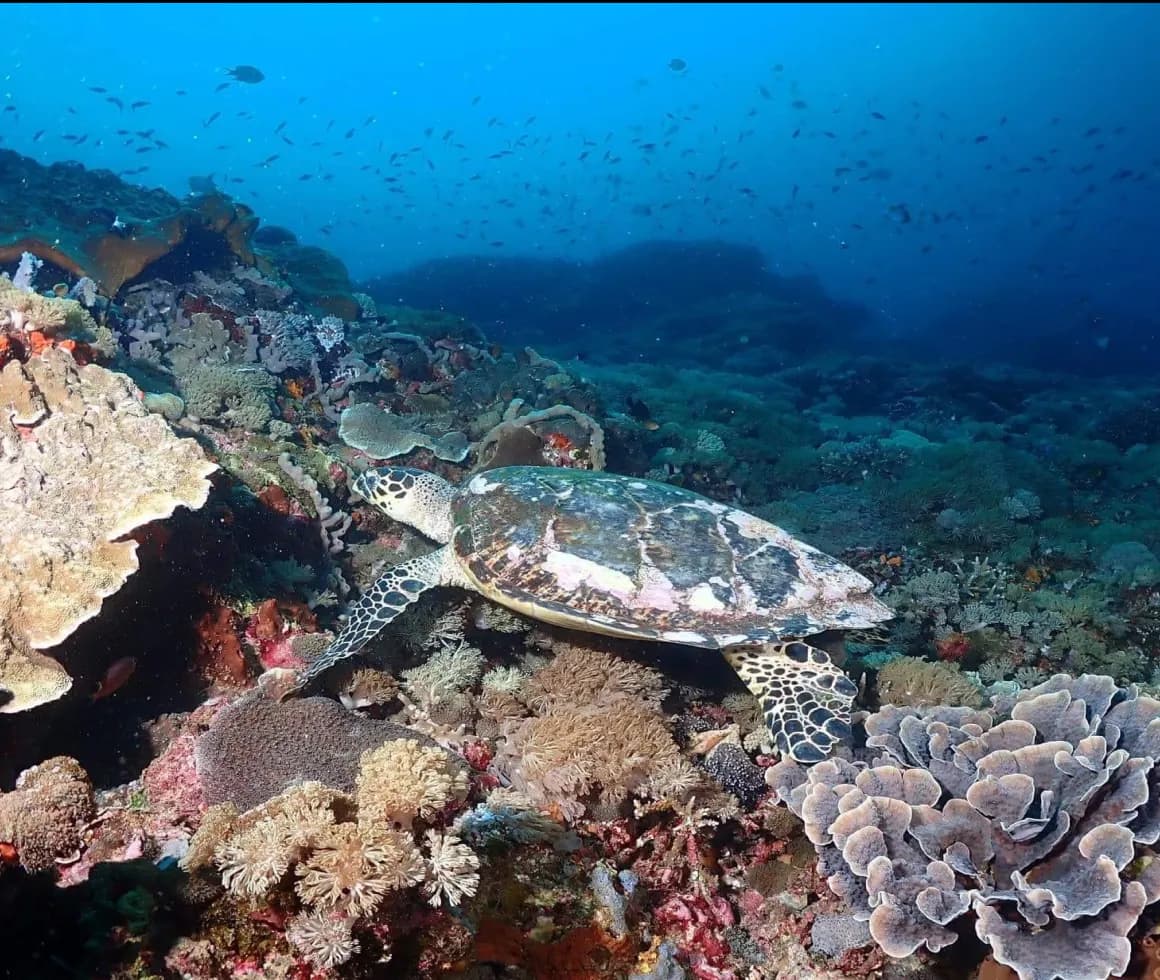
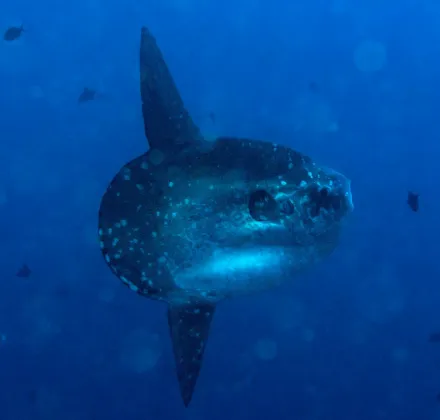
Crystal Bay is deservedly famous: for exceptional visibility on a good day, for mola mola sightings in season, and for a healthy reef in the bay itself. It also sits at a point where open-water current funnels into a relatively narrow bay, which is exactly what can produce the strong or unpredictable current the site is known for. Both things are true at once: it's a genuinely good dive, and one that rewards respect for the conditions rather than complacency.
What the current actually does here
Current at Crystal Bay can run stronger than at more sheltered sites, and it can include down-currents, where the water moves down along the slope rather than sideways. This is more a feature of the site's shape and its exposure to the open channel than something that happens on every dive, but it's common enough that guides brief for it every time rather than treating it as a rare event.
Cold thermoclines are also common here, especially in mola mola season, roughly June to October, when the water at depth can drop to around 18 to 20°C or lower. Visibility at Crystal Bay can also change quickly with the current, from strikingly clear to noticeably reduced within the same dive.
How the dive is planned
Guides who dive Crystal Bay regularly choose the day's entry point and plan based on the tide and the current direction that morning rather than diving it the same way every time. Timing matters too: conditions at Crystal Bay can change through the day as the tide turns, which is part of why an experienced local guide's read of that specific morning counts for more than a fixed dive-site description ever could. Groups stay small, a maximum of four divers to one guide, so everyone can be watched closely and briefed properly before going in.
The briefing covers what to do if you hit a down-current, swim across it rather than fighting straight up against it, and signal your guide, and what to do if you get separated: deploy your surface marker buoy and stay where you are rather than swimming to find the group.
What you should bring and know
A surface marker buoy is essential at Crystal Bay, both for the boat to track you and for you to signal if you need help. A dive computer matters more here than at gentler sites, since your depth and bottom time can shift quickly if you catch a current. Sober Diving rents them for IDR 150,000 a day if you don't have your own.
Crystal Bay isn't the site for your first ever ocean dive. It suits divers who are Advanced certified or who've already done some current diving and feel comfortable adjusting their plan mid-dive rather than needing every minute scripted.
What you'll actually see
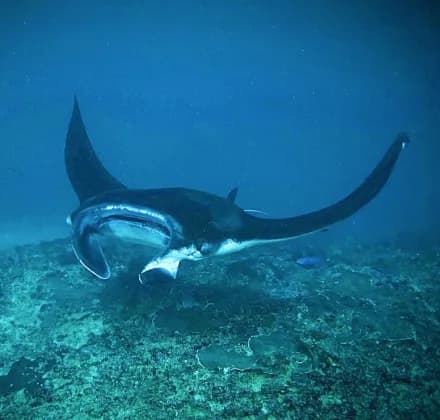
None of this is meant to talk you out of the dive. On a good day, Crystal Bay has some of the clearest water and healthiest coral in the marine park, plus a real chance of mola mola in season and reliable reef life the rest of the year. The site's reputation for current is part of the reason it stays this good: the same water movement that requires a proper briefing is what keeps the reef fed and the visibility high.
Building up to it
If you're newer to diving or haven't done a drift dive with real current before, it's worth building up to Crystal Bay rather than making it your first Penida dive. A day or two of fun diving at gentler sites first, or completing your Advanced Open Water course, gives you a feel for how your guide reads current and how you personally handle it, before you're relying on that comfort at a site like Crystal Bay.