What a mola mola actually is
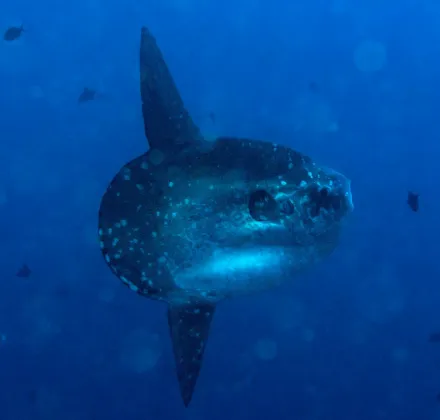
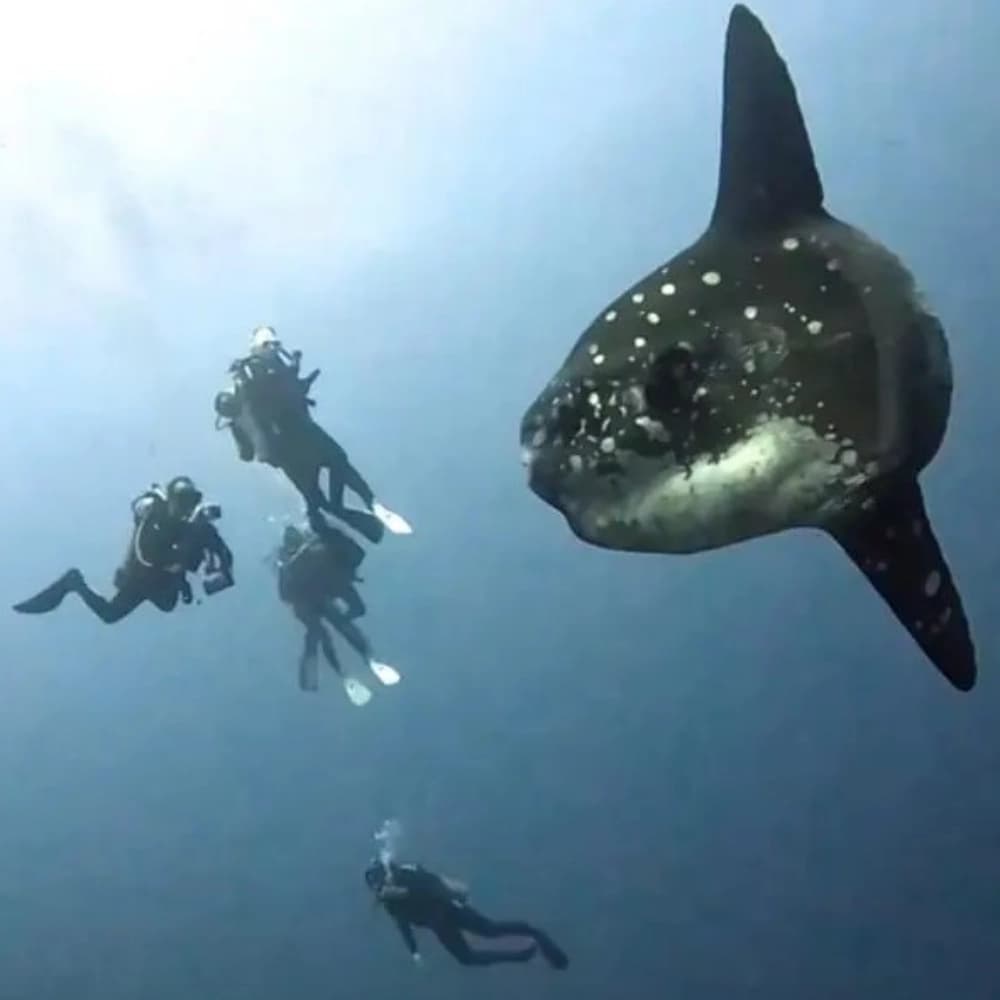
The mola mola, or ocean sunfish, is the heaviest bony fish in the world, a strange, flattened shape that looks like it's missing its back half. They spend most of their lives in deep, cold water, which is exactly why sightings around Nusa Penida are seasonal: it's the one time of year that cold water rises close enough to the surface for recreational divers to reach them.
When the season runs
Mola mola season in Bali runs roughly from June to October, with the highest number of sightings typically in August and September. Outside this window, the deep cold water mola mola prefer sits too far down for a recreational dive, so sightings become rare.
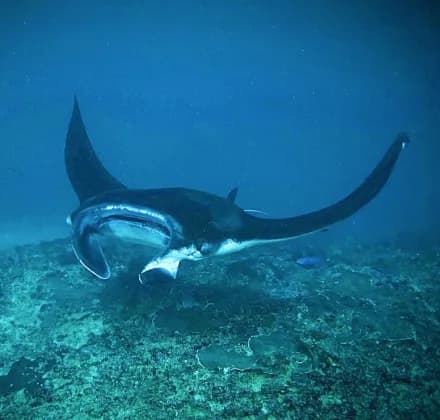
Manta rays, by contrast, are around Nusa Penida year-round. If you're planning a trip specifically to see mola mola, the season matters far more than it does for manta rays.
Why the cold water matters
Mola mola come up to reef cleaning stations to have parasites picked off by smaller fish, and they do this where the cold, nutrient-rich water they prefer meets a reef shallow enough for cleaner fish to work. This cold layer, a thermocline, is why sightings cluster at a handful of specific sites and depths rather than happening anywhere in the marine park.
It also means the water at the depth where mola mola hang out is noticeably colder than the surface, sometimes down to around 18 to 20°C or lower, so dress for that rather than for the warm water nearer the boat.
Where to see them
Crystal Bay is Nusa Penida's best-known mola mola site, and the one most dive centres, including Sober Diving, plan their mola mola season trips around. Other sites around the marine park see them too, depending on conditions that day, which is part of why a local guide who dives these waters regularly matters: they know which sites are worth trying on any given morning rather than sticking to one spot regardless.
What the dive is actually like
A mola mola dive tends to involve some current, and often that colder thermocline, so it isn't the best first dive of a trip if you're still finding your feet underwater. Guides brief divers to stay calm, keep a reasonable distance rather than swimming straight at the fish, and let the encounter happen rather than chasing it, since mola mola will simply move off into deeper water if they feel crowded. Patience matters more than proximity here.
If you're bringing a camera, the same patience applies: a mola mola that senses it's being chased will leave, while one that's left alone at its cleaning station will often stay put for several minutes, giving everyone in the group a proper look rather than a fleeting one.
Certification level and getting ready
An Advanced Open Water certification, or simply some prior experience with current and cooler water, sets you up well for a mola mola trip. If you're not sure your current skills or cold tolerance are there yet, say so when you book: guides can plan the day's sites around your comfort level rather than assuming everyone in the boat is ready for the same conditions. Renting a thicker wetsuit or a hood for the trip is worth it if you feel the cold.
A dive computer is worth having too, since a mola mola dive often means adjusting your depth to stay with the thermocline rather than sitting at one constant depth for the whole dive.
Beyond the sighting
Even on a quiet mola mola day, Crystal Bay and the sites around it are worth diving for the reef alone, and a conservation-minded operator can turn a sighting into something more than a tick on a list. Sober Diving runs a Manta Ray and Mola Mola Conservation course that goes into the biology and the threats these animals face, for divers who want to go a level deeper than spotting one on a fun dive.